
Chinese cuisine is one of the world’s favourite styles of dish. From takeaway to eating out to the streets of Nanjing, Chinese food comes in all shapes and sizes. That does not mean that pan Asian and Chinese food are the same.
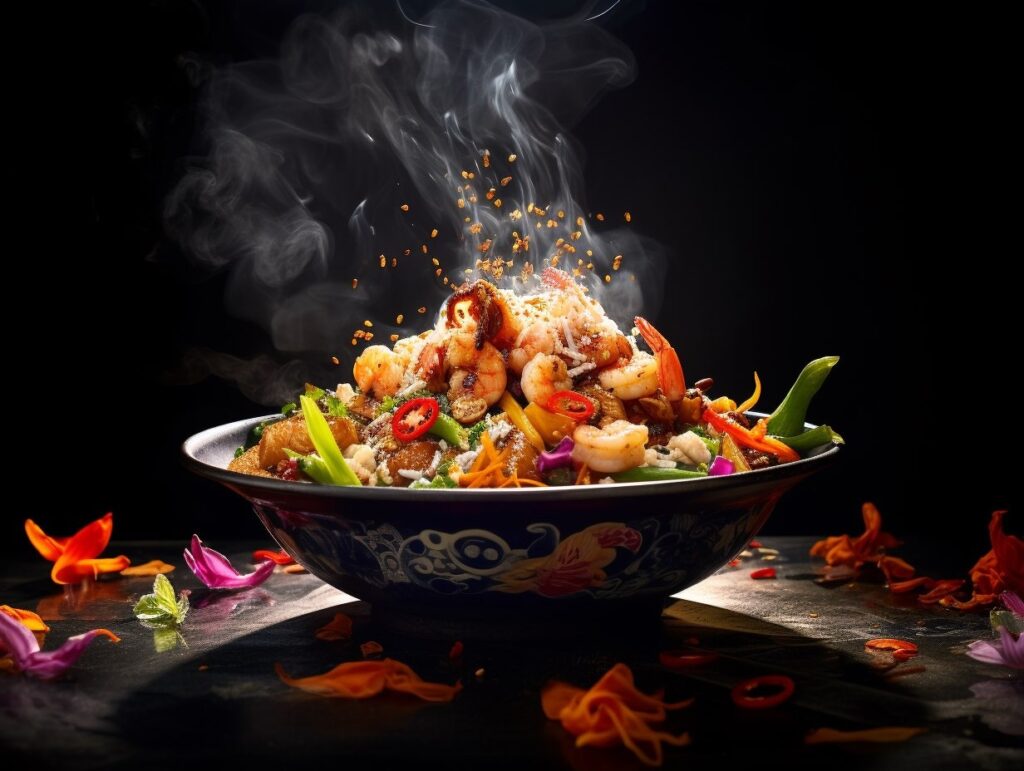
China has a whole culture surrounding food which stands out on an international level. In recent years, though, a new type of Asian food has become popular. Pan Asian dishes are becoming prominent as alternatives to Chinese meals, to the point that westerners are mistaking them for Chinese food too. If you want to be a true foodie, however, you need to know your cuisines. This article breaks down the world of Chinese and pan Asian food and shows you the differences between the two.
Chinese Restaurant Pan Asian Vs Chinese Food: What’s The Difference?
Let’s start by defining and discussing the ins and outs of both types of cuisine.
What is pan Asian food?
While we all know what Chinese food tastes like, we might not know what the term “pan Asian” refers to. Actually there are two ways in which an outsider might use this term. You might refer to pan Asian cuisine as a way to incorporate all Asian cuisines under one banner. Otherwise, pan Asian food is exactly that: a flavour fusion which combines those Asian flavours to create culinary masterpieces no one culture could create on its own.
It is worth noting that we already do this with other cultures, although we may put a different name on things. A good example is the way we say we like Mediterranean food rather than Italian, Spanish or Greek.
When you combine the best cooking techniques and flavours from across an array of Asian cultures, you get the best of all worlds. On the other hand, when you choose Chinese food in a Chinese restaurant, the food you eat will offer the best that Chinese culture has to offer.
What makes pan Asian cuisine and Chinese food different?
When you go to a pan Asian restaurant, or to a Chinese restaurant with a pan Asian menu, you are eating dishes which draw from all the ingredients, styles, and types of food that you can find throughout Asia. This may be presented to you as one dish from one country and the next from another. It might also be a single menu incorporating techniques and food groups from across the continent.
Chinese Restaurants Contain Chinese Cuisine
On the other hand, Chinese restaurants devote their menus, traditional techniques, and secret recipes to China alone. Chinese cuisine engages culinary traditions which pan Asian food omits. A Chinese restaurant draws from the country’s ancient history and knowledge. China has distinct regions which each have their own traditions and flavours. For example, everyone loves a Sichuan sauce, which comes from the Sichuan area of China. Chinese food also includes the delicate tastes of Cantonese dishes.
There are so many techniques, flavours, recipes, and ingredients from the many regions of China that it is fair to say no pan Asian restaurant can truly incorporate every region of this vast land. If you want authentic Chinese food, a pan Asian restaurant doesn’t come close.
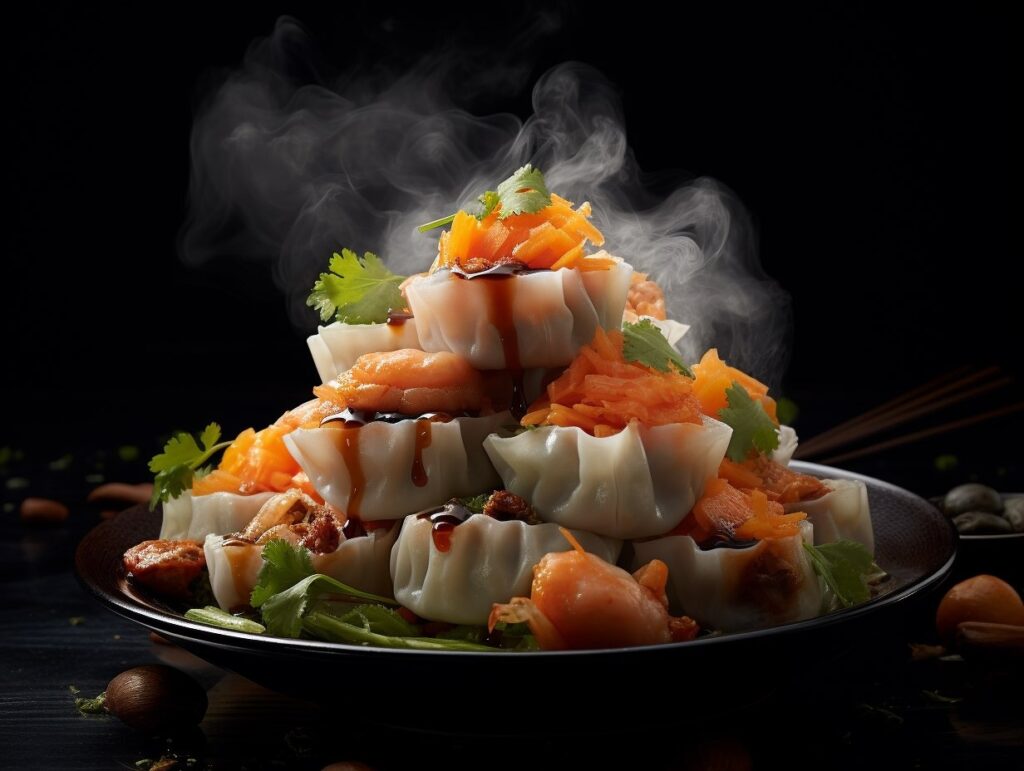
Where Chinese Restaurants and Pan Asian Restaurants Differ
There are different areas where the two styles of cooking Asian foods differ. The following are good examples.
Flavours and Ingredients
When you compare Chinese food with pan Asian food, the most glaring difference lies in the ingredients each chef might use. Chinese food requires a delicate mixture of ingredients which reveals a dedication to the true balance behind each meal. Each dish has a Yin and Yang. The Yin flavours are bitter, sour, and savoury. The Yang flavours are sweet, hot, and spicy. Incorporating all these flavour profiles into one dish is a signature Chinese style of cooking. Pan Asian food does not have those same elements.
Chinese cooking uses ginger, spring onions, soy sauce, garlic and other herbs and spices developed in China.
In contrast to those bold, developed, pungent flavours of Chinese cooking, the pan Asian chef has a larger pool of flavours to draw on. They can combine the elements of Yin and Yang but apply them to other dishes. They might even ignore the Yin and Yang principles and focus on sushi or Thai food. The ingredients and flavours used lean towards tangy, or sweet and sour. They can borrow the fish flavours of Japanese food, embrace the fresh herbs of Vietnamese cuisine, or indulge in the lemongrass and garlic combinations commonly eaten across Southeast Asia.
The pan Asian menu has access to all the ingredients used on the continent. This gives you greater choice but can also blind an otherwise good chef. Sometimes, too much variation in a menu does justice to neither culture.
Cooking Techniques
Pan Asian food incorporates the keen knife skills of the sushi chef. It borrows raw cooking styles and uses techniques from all over Asia. This style of cooking focuses on applying and fusing the culture’s food which they are presenting, while perhaps mixing in flavours and ingredients from a different Asian culture.
Chinese cooking uses methods like stir frying, steaming, deep-frying, roasting and braising. Thought goes into the textures and what works with what. The methods used by Chinese chefs reflect techniques handed down through generations, from Chinese grandmother to Chinese grandchild, for centuries. The ingredients and techniques are finely tuned. Pan Asian cooking tends to apply multiple methods of working the food, but it doesn’t have those specialised skills when it comes to Chinese cuisine.
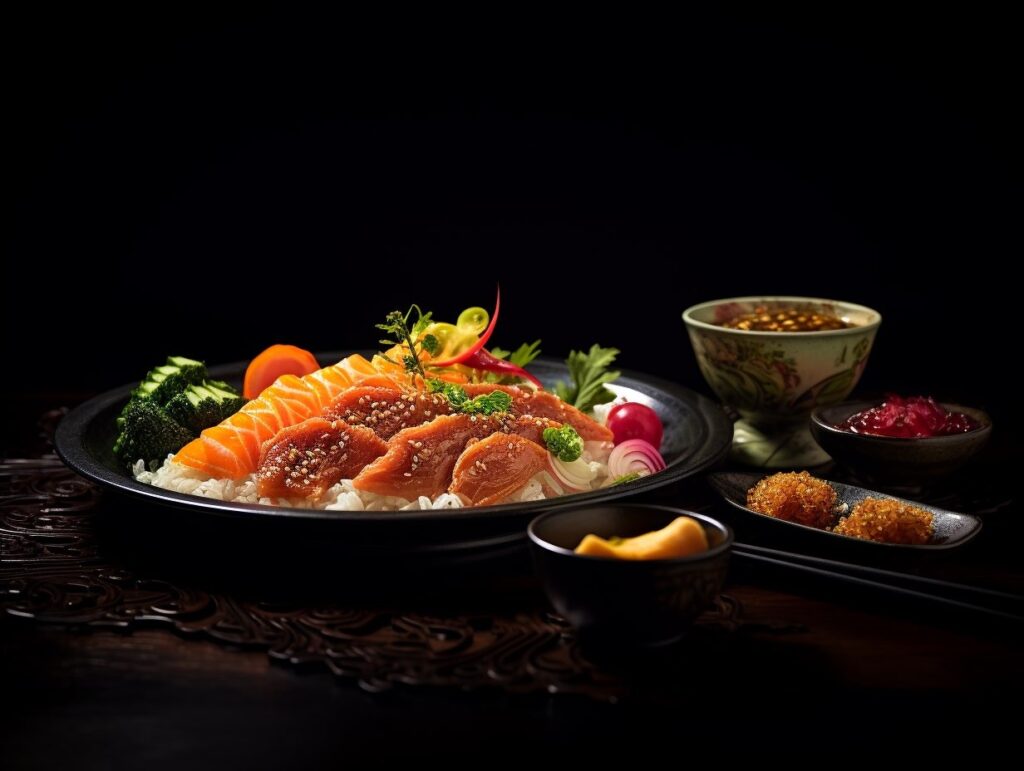
Where to Eat Authentic Chinese Food in Birmingham?
If you live in the UK and enjoy authentic, blended, balanced, and perfectly spiced Chinese cuisine, Lulu Wild is a national favourite. Book a table to experience a heady world of Chinese flavours, textures, and scents. Dine with your eyes first and experience the gorgeous attention to detail our chefs put in to making us one of the best Chinese restaurants in town.