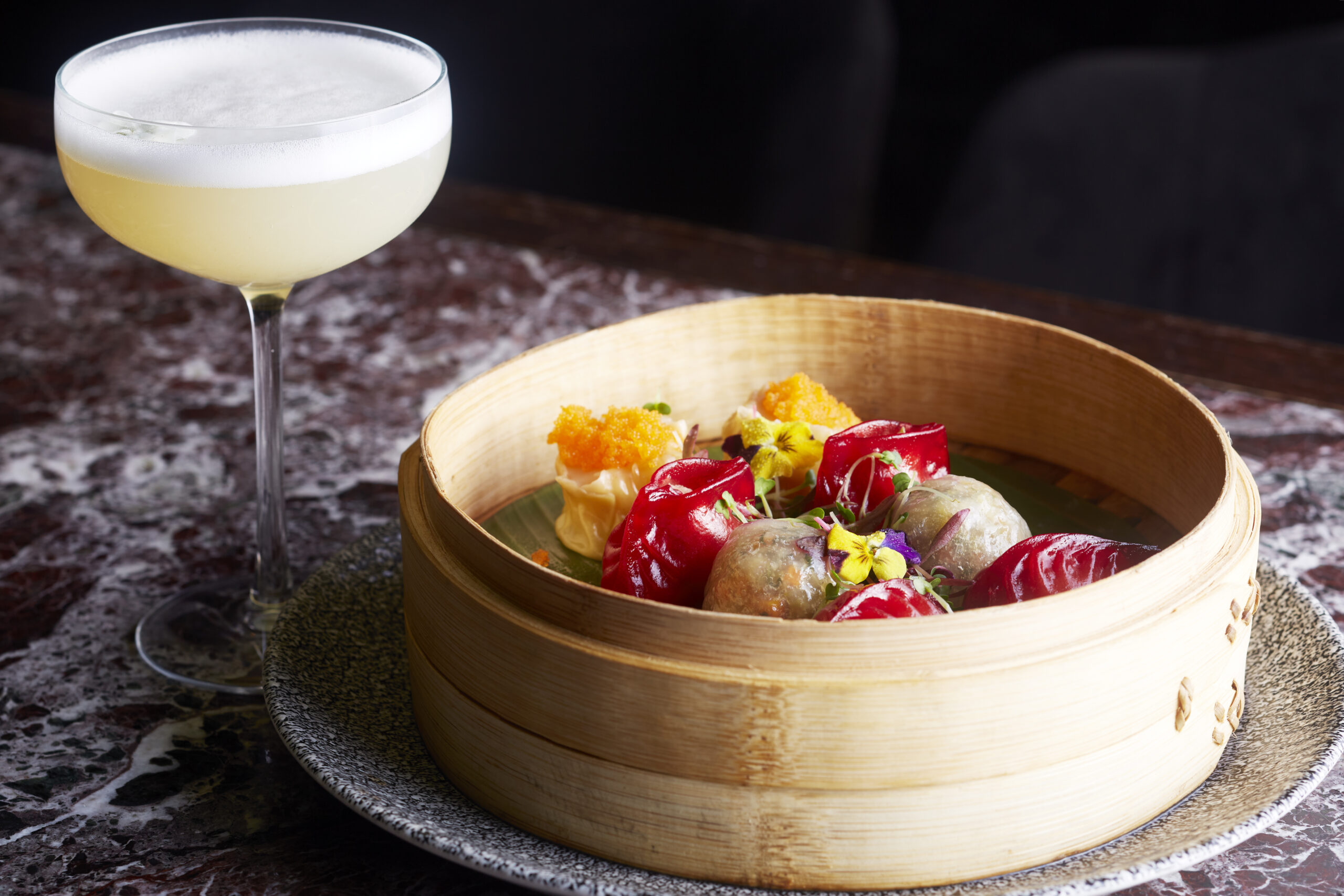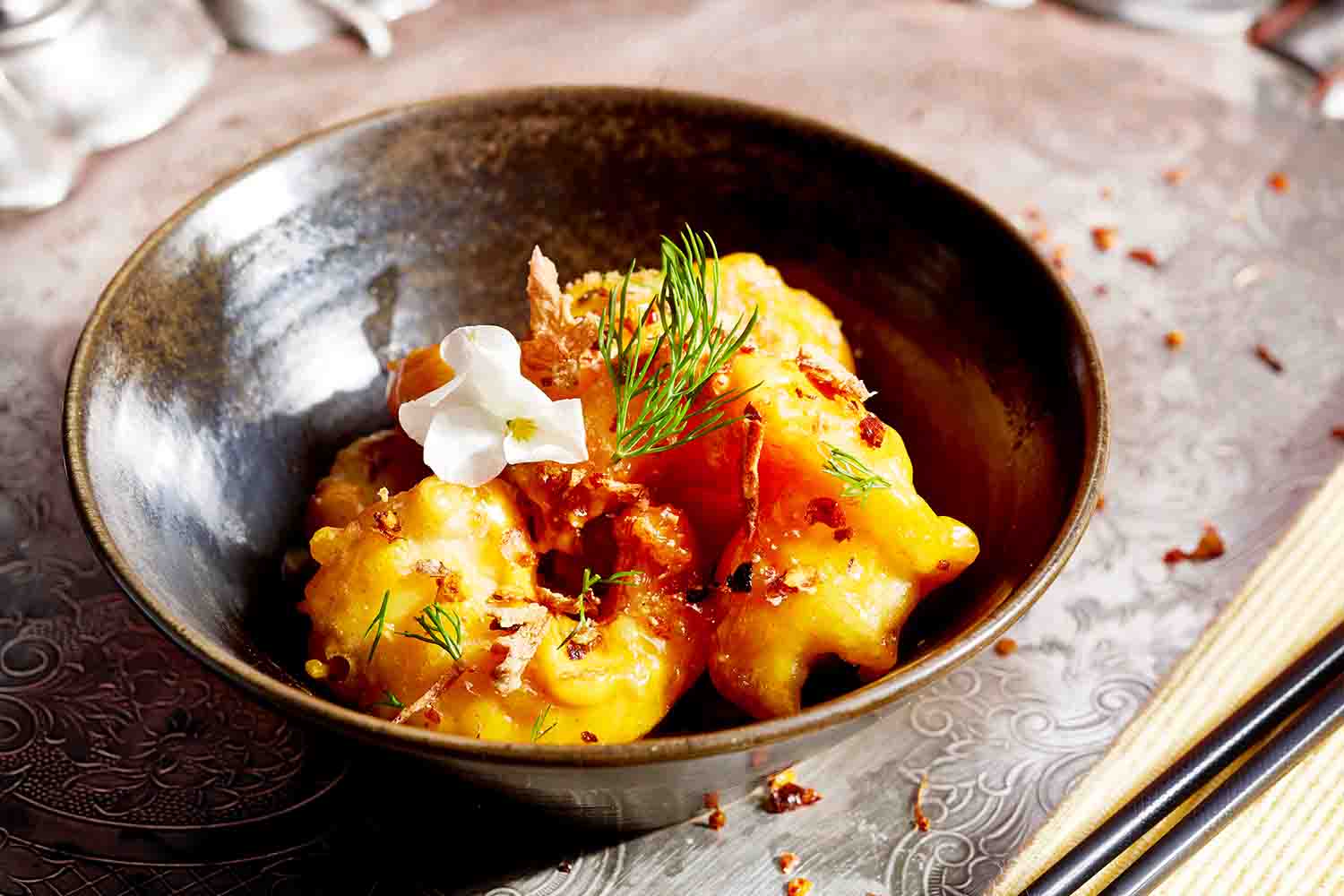

Dim sum is popular all around the UK. From Soho to Birmingham, people are enjoying this traditional Chinese food in restaurants and in the comfort of their own homes, with varieties of dim sum now available in mainstream supermarkets. Plenty of people are eating it, but most have no idea where it came from, which is why we have put together this origins blog. There is far more to dim sum than dumplings. It has royal roots!
What is Dim Sum?
Dim sum, which translates to “touch the heart” in Cantonese, are small, bite-sized dishes that aim to satisfy the appetite. Dim sum is less a single dish and more a style of eating: small snacks, served on small plates or in bamboo steamers, often with tea. Dim sum can be steamed, fried or baked and includes a variety of fillings, such as meat, seafood or vegetables. Some popular dim sum dishes include:
- Siu mai: Open-top dumplings, with pork and shrimp fillings, sometimes topped with crab roe.
- Har gow: Clear, steamed shrimp dumplings.
- Char siu bao: Barbecued pork filled steamed buns.
- Dan tat: Egg tarts, flaky pastry shells filled with custard.

Starting in the Tang Dynasty
Dim sum originated in Chinese tea houses during the 10th century, in the final years of the Tang dynasty. During this time, the city of Guangzhou began to see more commercial travellers arriving from the Silk Road, the network of trade routes connecting China with the Middle East and Europe. These travellers regularly visited tea houses for small-portion meals with tea, and so dim sum was created: light snacks, not full meals, served with tea to satisfy the appetite of the travellers.
Refined by Cantonese Culture
As more tea house owners began adding these snacks, called dim sum, to their menus, the practice of having snacks with tea evolved into the modern “yum cha” dining experience. Yum cha (brunch) includes two concepts. The first is “jat zung loeng gin”, which translates to “one cup, two pieces”, referring to tea houses serving two small food items to accompany tea, and the second is “dim sum” itself. During the last half of the nineteenth century in Guangzhou, Cantonese dim sum culture developed rapidly. Originally it was based on local foods, but as it developed, chefs began introducing traditions and influences from other regions of China. Cantonese dim sum evolved to include a broad range of flavours, textures and ingredients, made using a variety of cooking methods. This evolution formalised the dishes and made them social. Dim sum eventually gave birth to the pushcart restaurant culture in Hong Kong in the early 1960s, where dim sum was served from pushcarts or trays strung around servers’ necks.
How Dim Sum came to the UK
It is estimated there are at least two thousand types of dim sum in China, with approximately 50 types sold outside of the country. These are the types of dim sum we have come to enjoy in the UK. Following the Second World War, the UK saw a rise in Chinese migration, mainly from Hong Kong. This in turn led to the creation of Chinatowns in larger cities such as London, Manchester and Birmingham. In Cantonese households, dim sum is seen as a Sunday family tradition, much like the Sunday roast is for the English, so naturally dim sum was made and became readily available in restaurants within these Chinatowns. Dim sum eventually shifted from being a community snack to a mainstream brunch that everyone could enjoy.
Dim Sum in the UK Today
Now dim sum is served and enjoyed in restaurants all around the UK, not just in Chinatown. While some restaurants remain traditional in the way they cook and serve dim sum, others have modernised their recipes to include vegan versions, fusion plates and even Instagram-friendly dim sum. Delicious and easy to eat at any time of the day, dim sum is a shareable, sociable meal that looks as good as it tastes.
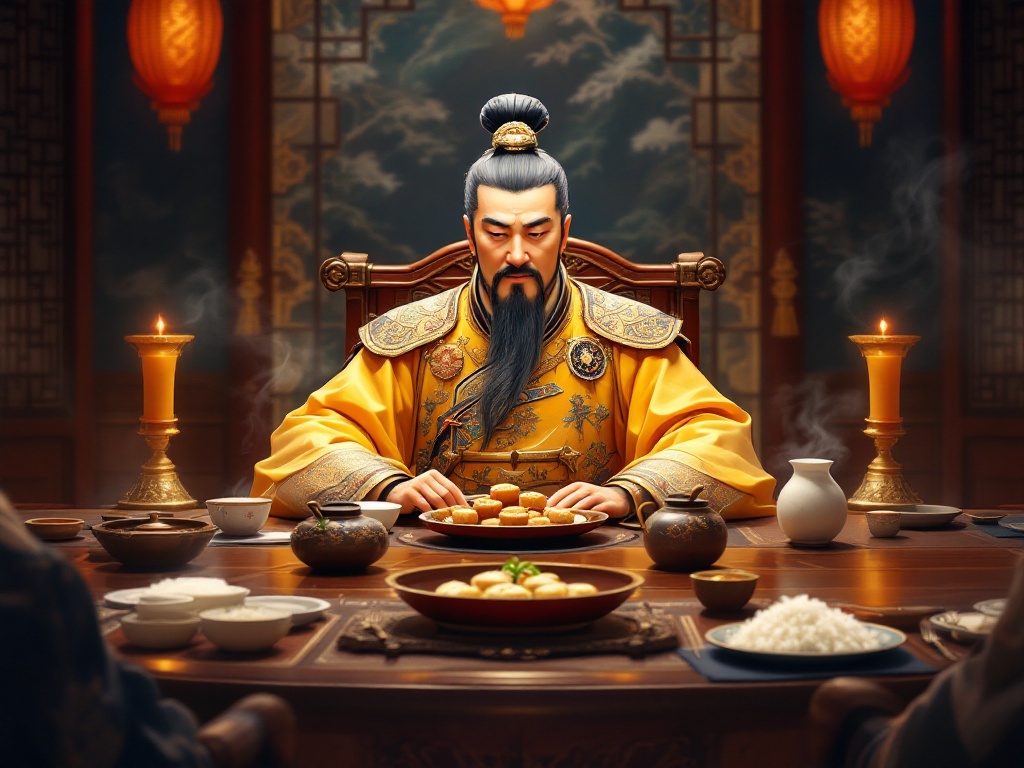
Each basket is a small bite of Chinese history and heritage. From the emperors of China to the Sunday table in Shoreditch, dim sum has come a long way, and it is still growing in popularity.
If all this history has made you hungry, our guide to dim sum in Birmingham covers where to eat it, and our bottomless brunch brings the tradition right up to date with dumplings and free-flowing cocktails.